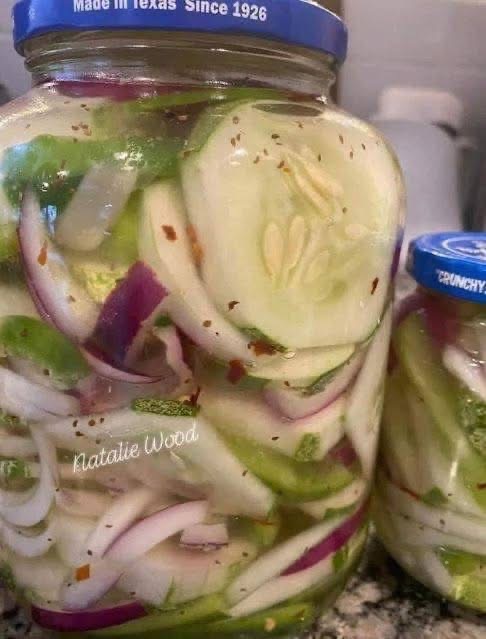
Important Correction: That information is not accurate and could be dangerous.
It is not safe to keep a prepared salad in your refrigerator for 2 months. Most prepared salads will spoil and become unsafe to eat within 3 to 7 days, depending on the ingredients.
Here is a safe and practical guide for storing different types of salads:
🗓️ Realistic Refrigerator Lifespans for Salads
· Leafy Green Salads (with dressing): 1-3 days. The greens will wilt quickly.
· Leafy Green Salads (dressing stored separately): 3-5 days.
· Pasta, Potato, or Grain Salads: 3-5 days. May last up to 7 if very fresh and well-covered.
· Hearty Vegetable Salads (like coleslaw, bean salad): 5-7 days.
· Store-Bought, Unopened, Pre-Washed Bagged Salad: Check the “Use-By” date on the package (typically 7-10 days from purchase).
· Store-Bought, Prepared Salad from Deli Counter: Treat as homemade—consume within 3-4 days.
⚠️ Signs Your Salad Has Gone Bad
· Slimy texture on leaves or vegetables
· Unpleasant sour or off odor
· Significant wilting, browning, or mushiness
· Visible mold
✅ How to Maximize Freshness (for a few days, not months!)
- Store Dressing Separately: This is the #1 rule for keeping salads crisp.
- Use Airtight Containers: A sealed container prevents moisture loss and odor absorption.
- Keep it Dry: Ensure greens are thoroughly dried after washing. A salad spinner is ideal.
- Layer Smartly: Place hearty, wet ingredients (tomatoes, cucumbers) at the bottom and delicate greens at the top.
- Refrigerate Promptly: Never leave salad (especially with mayo or dairy) at room temperature for more than 2 hours.
Bottom Line: For safety and quality, plan to eat your prepared salads within a week. The idea that any salad can last two months is a myth that risks foodborne illness.
For long-term storage of vegetables, freezing (best for cooked vegetables, soups, or casseroles) or canning/pickling (using proper, tested methods) are the appropriate food preservation techniques.