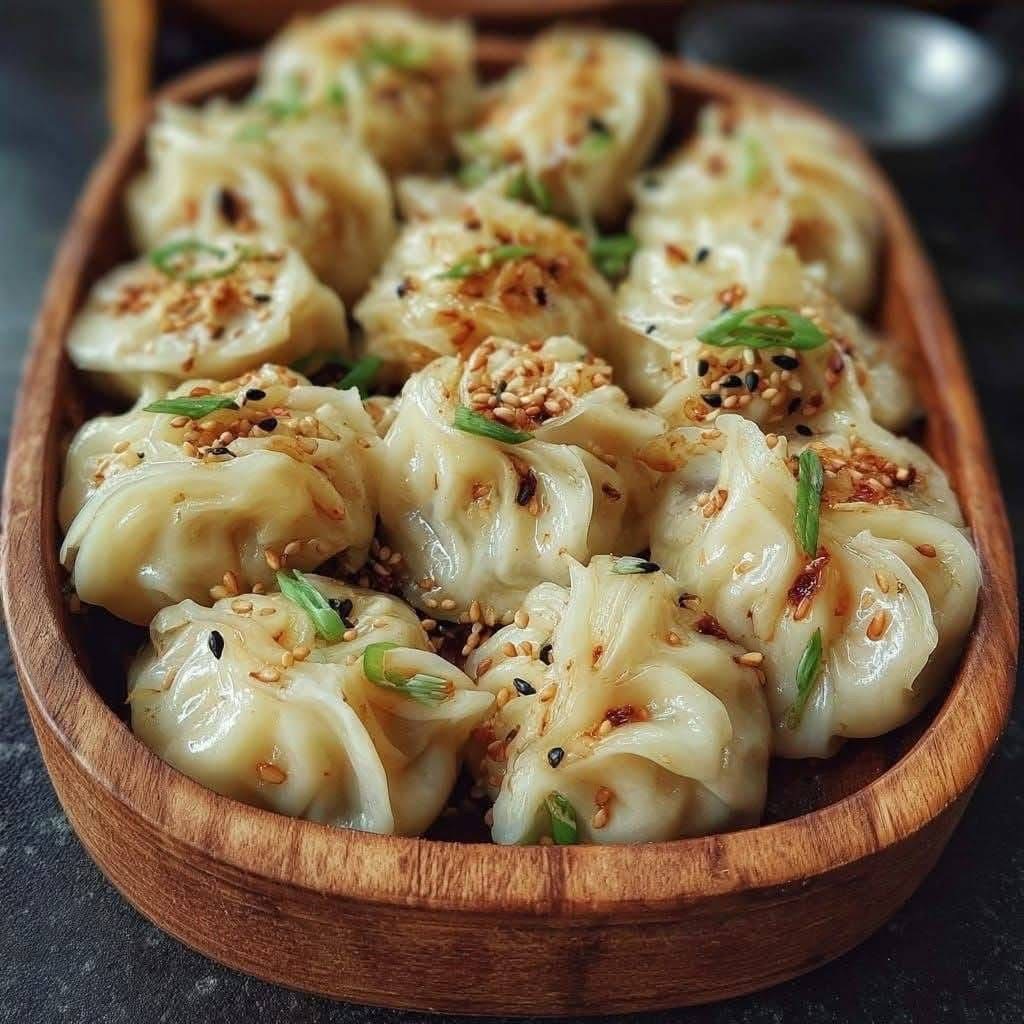
That’s the heart of it! The filling is what transforms a simple piece of dough into a delicious, flavorful package. The possibilities are endless and vary greatly across different cuisines.
Here’s a breakdown of dumpling fillings, from classic to creative:
Common Dumpling Fillings Around the World
Dumpling fillings can be made from meat, seafood, vegetables, or even sweets. They are typically finely chopped or minced and seasoned heavily.
- Chinese Dumplings (Jiaozi, Wontons, etc.)
· Pork and Cabbage: The most classic filling. Ground pork, finely shredded napa cabbage, ginger, garlic, soy sauce, and sesame oil.
· Shrimp and Chive: A fresh-tasting combination of chopped shrimp, Chinese chives, and pork fat for moisture.
· Beef and Onion: Ground beef with green onions, ginger, and a touch of soy sauce.
· Lamb and Cumin: A Northern Chinese favorite, spiced with ground cumin and chili.
· Vegetable (Su Jiao): A mix of shiitake mushrooms, cabbage, carrots, glass noodles, and scrambled eggs.
· Soup Dumplings (Xiaolongbao): A solid gelatin (made from meat stock) is mixed with pork. When steamed, the gelatin melts into a hot, savory soup inside.
- Japanese Dumplings (Gyoza)
Gyoza fillings are typically very finely ground.
· Standard Gyoza: A mix of ground pork, cabbage, nira (Chinese chives), garlic, ginger, soy sauce, and sesame oil. The texture is smoother than its Chinese cousin.
- Korean Dumplings (Mandu)
· Kimchi Mandu: A spicy and flavorful filling of pork, tofu, and finely chopped kimchi.
· Beef Mandu: Ground beef, tofu, and bean sprouts.
- Eastern European Dumplings (Pierogi, Pelmeni, Vareniki)
· Pierogi (Poland): Fillings can be savory or sweet.
· Savory: Mashed potato with farmer’s cheese and fried onions (“Ruskie”), sautéed cabbage, or minced meat.
· Sweet: Sweetened farmer’s cheese, blueberries, or strawberries.
· Pelmeni (Russia): Almost always a savory meat filling of pork, beef, and sometimes lamb, with onions and pepper.
- Central Asian Dumplings (Manti, Momos)
· Manti (Turkey/Central Asia): Filled with spiced lamb or beef, and often include a small piece of fat or a cube of potato.
· Momos (Tibet/Nepal): Filled with ground yak, buffalo, or chicken, with garlic, ginger, and sometimes a little tomato.
- Latin American Dumplings (Empanadas)
While not always called “dumplings,” the concept is the same—a filled dough pocket.
· Beef Picadillo: Ground beef with raisins, olives, and hard-boiled egg.
· Cheese and Chicken: Shredded chicken with melty cheese.
Key Principles for a Great Filling
No matter what you put inside, a good dumpling filling follows a few rules:
- Flavorful: The filling must be well-seasoned. Soy sauce, ginger, garlic, sesame oil, and spices are essential.
- Moist, but not Wet: The filling should be juicy, but excess water will make the dough soggy and cause it to break during cooking. Salting cabbage and squeezing out the water is a classic technique to prevent this.
- Fine Texture: Ingredients are finely chopped, minced, or ground so they cook quickly and evenly and are easy to bite through.
- Binding Agent: Often, a small amount of cornstarch, egg, or tofu is added to help the filling hold together.
So, when you say “dumplings are filled,” you’re opening the door to a world of culinary traditions, each with its own unique and delicious secrets wrapped inside a simple dough.