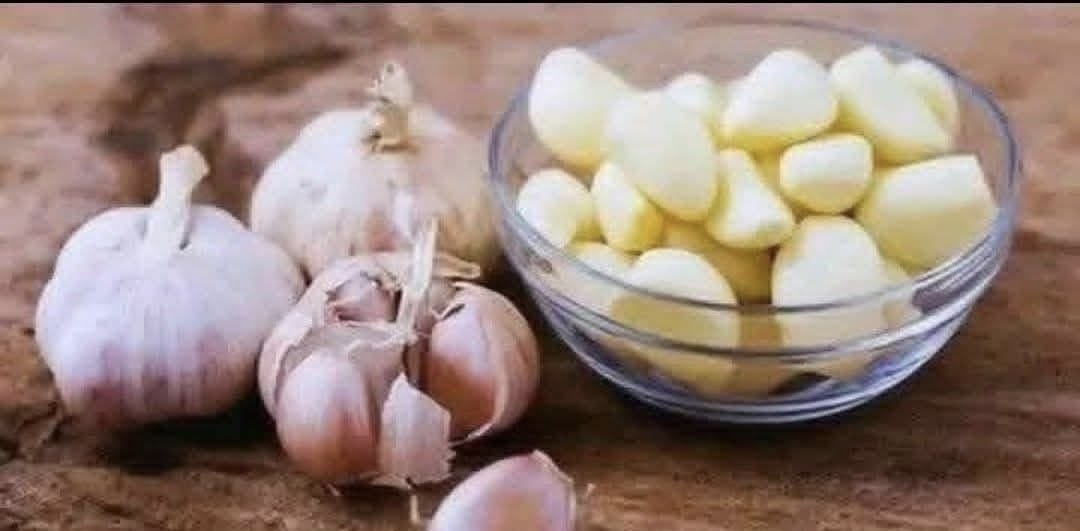
That’s a very powerful and commonly shared statement, and it points to a real and well-documented scientific truth: garlic has remarkable antimicrobial properties.
However, it’s important to understand the context and the science behind this claim, as it’s often oversimplified.
The Science Behind the Claim
The primary active compound in garlic is allicin. When garlic is chopped, crushed, or chewed, an enzyme called alliinase converts the compound alliin into allicin. Allicin is a potent antimicrobial and antifungal agent.
Here is what scientific research actually shows:
- Broad-Spectrum Activity: Studies in vitro (in a petri dish) have confirmed that garlic and allicin extracts can inhibit the growth of a wide range of:
· Bacteria: Including E. coli, Salmonella, Staphylococcus aureus (including MRSA), Helicobacter pylori, and Pseudomonas aeruginosa.
· Fungi: Such as Candida albicans.
· Viruses: Some studies show it may have activity against viruses like influenza, though this is less established. - The “14 Bacteria and 13 Infections” Specificity: The exact numbers “14” and “13” are popularized figures, likely from specific studies or compiled lists. The exact count isn’t as important as the proven principle: garlic has broad-spectrum antimicrobial effects against many pathogens.
The Crucial Caveats: Why This Statement is Misleading
While the core fact is true, the statement “Garlic Kills 14 Types of Bacteria and 13 Types of Infections” is problematic because it lacks critical context.
- Lab Results vs. Real-World Human Body: What happens in a petri dish does not directly translate to what happens inside the human body. The concentration of allicin needed to kill bacteria in a lab is often much higher than what can be achieved in the bloodstream by eating garlic. Stomach acid can also break it down before it reaches the bloodstream.
- It’s Not a Substitute for Modern Medicine: This claim can be dangerously interpreted to mean that garlic can replace antibiotics for serious infections. This is not true. For a systemic, life-threatening infection like sepsis, pneumonia, or a deep wound infection, prescription antibiotics are essential and life-saving. Garlic should be seen as a complementary support, not a replacement.
- Infections vs. Bacteria: The statement conflates bacteria and infections. An “infection” is the invasion and multiplication of a pathogen (like bacteria, viruses, or fungi) in the body. Saying it kills “13 types of infections” is vague. It’s more accurate to say it has been shown to be effective against the pathogens that cause certain common infections (like upper respiratory infections, yeast infections, or food poisoning).
- Preparation Matters: You can’t get these benefits from whole, uncut garlic. The enzyme needed to create allicin is deactivated by heat. Therefore:
· Most Effective: Crushing or chopping raw garlic and letting it sit for 10-15 minutes before consumption.
· Less Effective: Cooking garlic whole or immediately after crushing.
· Variable Effectiveness: Aged garlic extracts or supplements, which have different beneficial compounds but less allicin.
Conclusion: A Powerful Food, Not a Magic Bullet
So, what’s the balanced takeaway?
· Yes, it’s true: Garlic is a powerful natural antimicrobial with a long history of use in traditional medicine, backed by modern science.
· Use it wisely: Incorporating raw, crushed garlic into your diet (e.g., in dressings, dips, or spreads) can be a great way to support your immune system, especially during cold and flu season.
· But be realistic: Do not use it to treat serious bacterial infections. Always consult a doctor for diagnosed infections.
· The numbers: Don’t focus on the “14 and 13.” Focus on the well-established, broad-spectrum antimicrobial activity that garlic possesses.
In short, garlic is a fantastic functional food, but it’s not a pharmaceutical-grade antibiotic for all situations.